
This is Tomoki, one member of HomeNOC. I recently attended both HKNOG 14.0 in Hong Kong on October 31, 2025, and Peering Asia 7.0 in Manila from November 4-6, 2025, so I’d like to share my impressions of these events.
It should be noted that our organization’s members also participated in Peering Asia 5.0, which took place two years ago. For details about Peering Asia 5.0, please refer to this report: Peering Asia 5.0 Participation Report.
Purpose of Participation
While I’ve previously attended multiple peering events, my primary objectives have always been to improve reachability and contribute to the internet community through peering negotiations, discussions, and presentations. This time, I expanded my goals to include gathering intelligence for potential new international data centers in Hong Kong, Taiwan, and Singapore, as well as conducting procurement negotiations. Given that HKNOG was held just before Peering Asia, I particularly focused on gathering information about Hong Kong.
HKNOG 14.0
HKNOG serves as a Network Operators’ Group (NOG) event in Hong Kong, similar to Japan’s JANOG, where internet operations technologies and information are shared and discussed.
I’ve previously participated in PhNOG in the Philippines and TWNOG in Taiwan, and I’ve noticed each region’s NOG has distinct characteristics. PhNOG primarily focuses on improving operational standards among internet service providers in the Philippines, with many sessions featuring expert speakers from organizations like APNIC and RIPE NCC covering fundamental knowledge. TWNOG has a higher proportion of students and young engineers, creating a vibrant community where younger members actively participate in NOG operations and discussions.
In contrast, HKNOG was particularly notable for its focus on advanced and cutting-edge technology trends. The event featured numerous sessions covering topics such as AI infrastructure, high-bandwidth network technologies, BGP security, sophisticated monitoring and measurement methods, and experimental academic network initiatives.
I also had the opportunity to meet people connected to HomeNOC. Inspired by HomeNOC’s activity of providing transit services to individuals, I met someone in Hong Kong who similarly offers transit services. I found contact records dating back about seven years, unexpectedly discovering a connection to Hong Kong from an unlikely source. This truly was a reward for physically traveling to the location and meeting people in person.
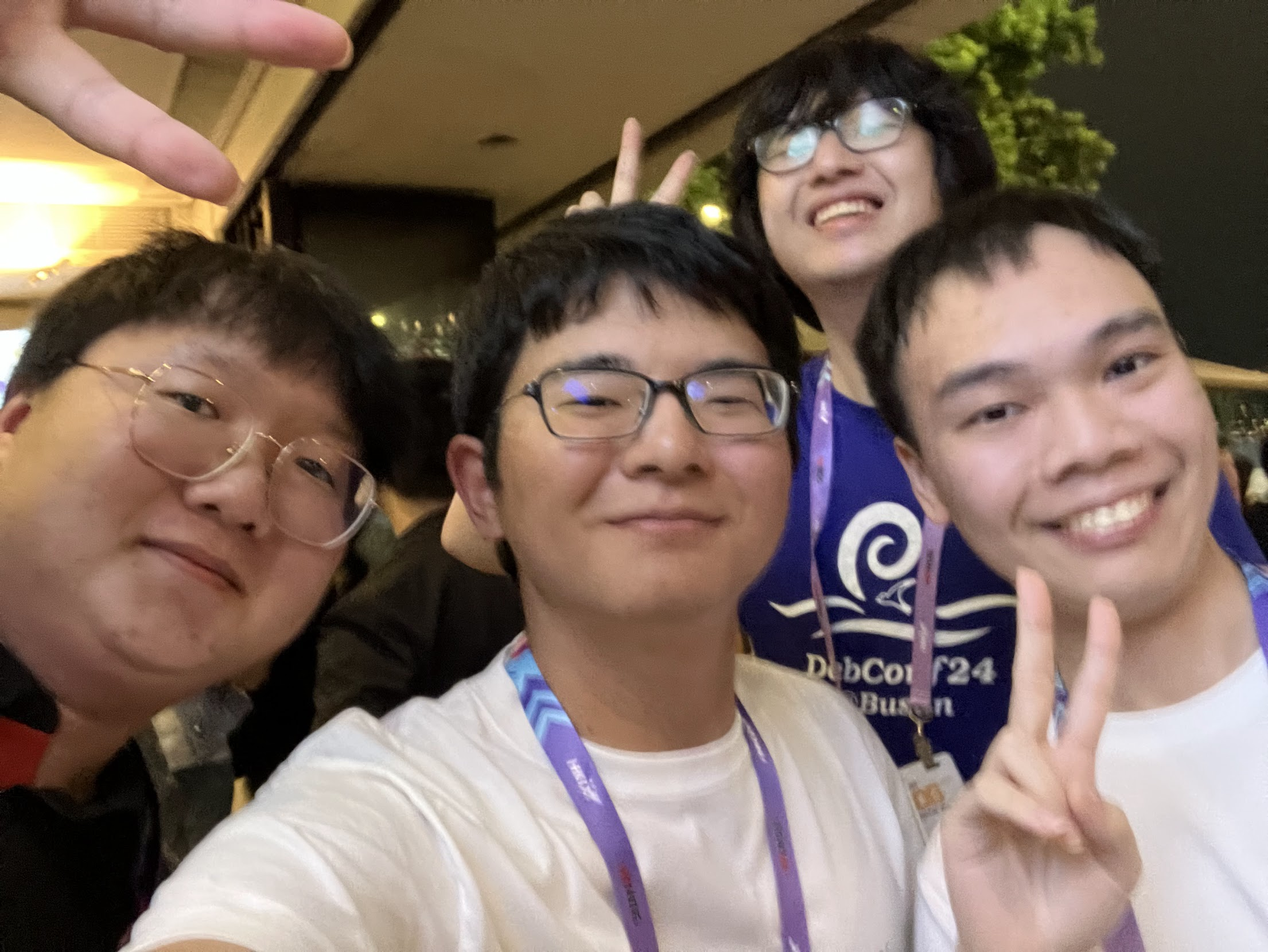
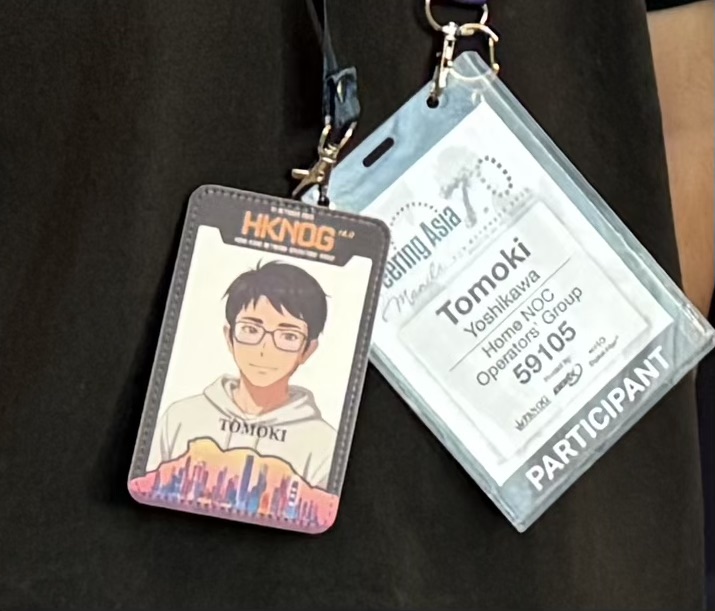
At the venue, there was a unique initiative where you could create passcase wallets within about 10 minutes by having AI generate illustrations from photos taken on the spot. I was also given a full-day tour of Hong Kong’s cityscape the following day, receiving warm hospitality from the local community, which made for an extremely meaningful and enjoyable experience.
Peering Asia 7.0
Following HKNOG, I traveled to Manila, Philippines to participate in Peering Asia 7.0. Peering Asia is an event where ISPs, content providers, data center operators, and other stakeholders across the Asia-Pacific region gather to conduct business meetings focused on interconnection. Beyond the main peering meetings, the event also features sessions on internet technologies and workshops designed to educate participants about current trends and fundamental concepts. This creates an exceptionally rich environment that serves both business and technological exchange purposes.
During this three-day event, I arranged a total of 14 meetings while also participating in workshops and sessions, delivering a presentation at the Peering Personals session, engaging in social activities, and even maintaining the HomeNOC Manila infrastructure - making for an extremely productive schedule.
Day 1
On the first day’s morning, we held a workshop covering internet technologies. The session covered a wide range of topics from basic peering mechanisms to unique internet characteristics in the Asian region, providing an excellent opportunity to stay updated on the latest developments.
In the afternoon, the peering meetings began. During this time, we conducted one-on-one negotiations with each participant regarding peering arrangements, interconnection services, and service implementations. On the first day, we held discussions with two operators and successfully obtained peering agreements from both companies. Notably, larger operators often establish minimum traffic volume requirements as conditions for bilateral peering. However, by explaining our organization’s activities and emphasizing our educational and nonprofit mission, we were able to secure exceptions in several cases. On this particular day, we obtained peering approval from an operator who typically doesn’t readily agree to peering arrangements, and furthermore, they deeply understood our activities and expressed support for our efforts. I believe this represents trust earned through our long-term sustained activities, and I am deeply pleased by this achievement.
Day 2
On the second day, we conducted nine meetings in just one day. The second day saw many meetings with operators based in Hong Kong, where we not only discussed peering arrangements but also negotiated procurement requirements for establishing a new Hong Kong data center location. Opening a new data center requires four main components: “IX connectivity,” “rack space,” “local loop,” and “international connectivity.”
- IX Connectivity: For our organization, which generally doesn’t engage in PNI due to cost considerations, connecting to an IX is mandatory. Hong Kong has several options including academic-based HKIX, foreign-affiliated providers like Equinix, and BBIX, each requiring evaluation of their connectivity capabilities and costs.
- Rack Space: This refers to data center space required for IX connectivity. Since our organization primarily uses 10G or 1G connections and does not require large equipment, contracting for either 3U or quarter-rack space (as in our Philippine location) represents the best cost-effective option.
- Local Loop: This presents one of the major challenges in Hong Kong. The connection costs (local loop) from the submarine cable landing point to the data center housing the IX tend to be high, requiring careful negotiation.
- International Connectivity: This includes connections between Hong Kong and Japan such as DIA (Direct Internet Access) and submarine cable options. We primarily consider DIA due to its lower costs compared to dedicated lines (such as IPLC), following the same configuration as our Philippine data center.
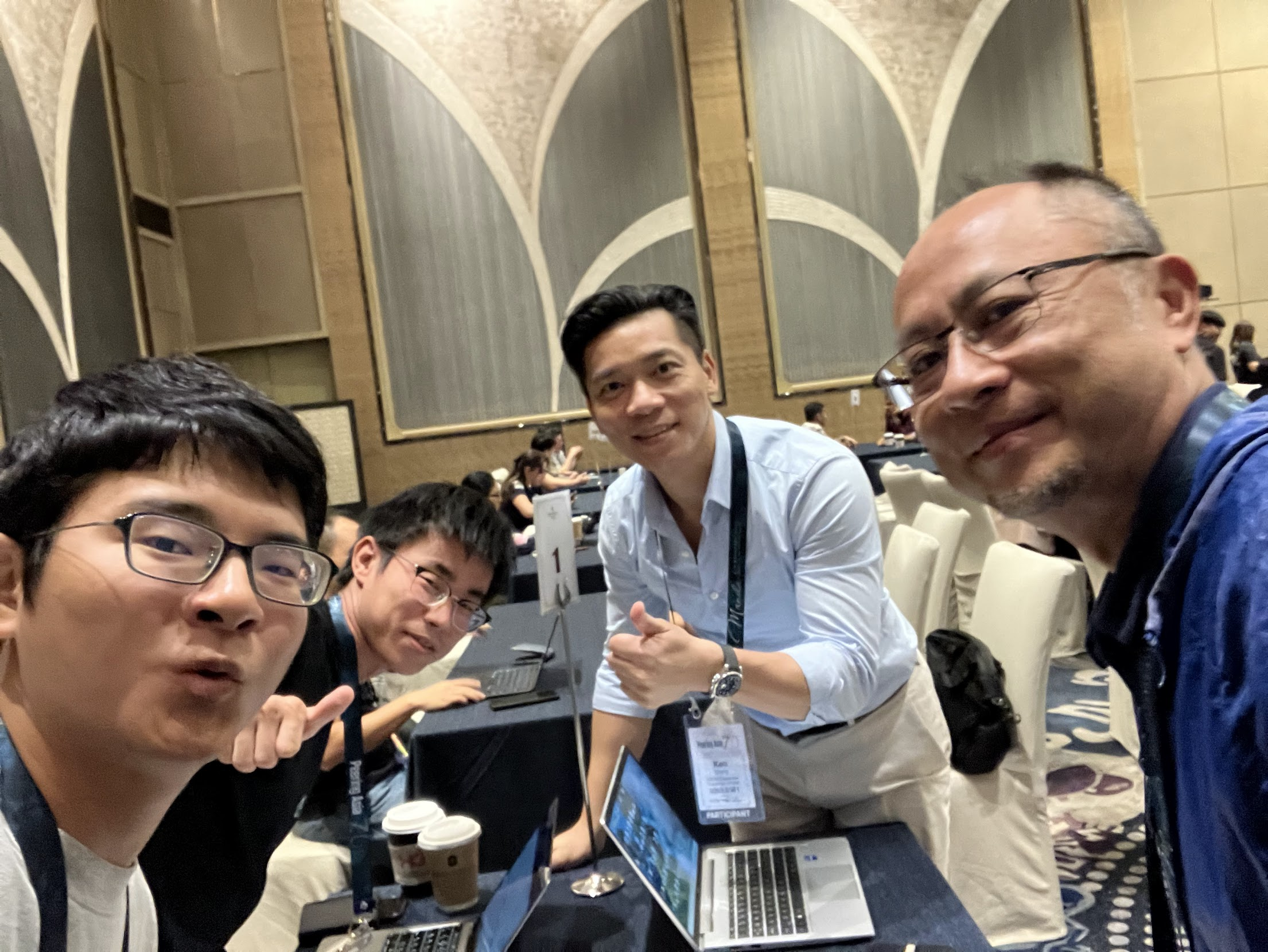
I also participated in the Peering Personals session, where participants briefly introduce their own AS (their organization). I had the opportunity to present HomeNOC to the audience.
The day concluded with a Social event, where we enjoyed interacting with fellow attendees amidst lively music and festive atmosphere. We connected with operators we’d met with during meetings, people we’d met during breaks, individuals we’d previously met at other events, and even new contacts introduced through these connections - forming valuable networking opportunities with numerous network engineers across national borders.
Day 3
On the final day, we conducted maintenance work at our Manila-based facility in the morning. Due to cost considerations, it’s typically impractical to travel solely for maintenance work, so we usually coordinate these tasks alongside attending events like this one. This time, we completed the remaining wiring work from the previous maintenance session and made configuration changes to the LTE backup network to improve our facility’s reliability.
In the afternoon, we returned to the venue and held final meetings with three partner organizations.
In Closing
Participating in both HKNOG and Peering Asia this time not only strengthened relationships with our existing peering partners but also represented a significant step forward in establishing our new overseas base.
Even in today’s world where online communication has become the norm, I reaffirmed the importance of physically visiting locations and personally conveying our enthusiasm face-to-face. We will now leverage the insights and connections we gained to expand HomeNOC’s network further and continue contributing to the community.
Lastly, I would like to express my sincere gratitude to everyone who supported us during our time on site.